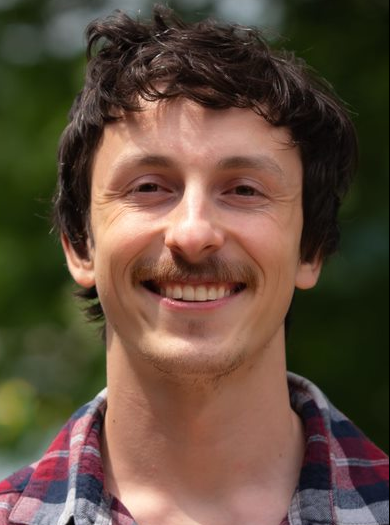
Zachary Konkel, PhD
Selected Repositories:

 xonq/mycotools
 xonq/cloci
Selected Publications:
Gene cluster detection
Large-scale genomics
Genomics automation
Phylogenomics
Biosynthetic pathway discovery
Natural product metabolomics
Engineering the forefront of pathogen genomics
At Theiagen Genomics, I translate pathogen genomics to actionable inference for our government and private partners by working across a team of engineers and analysts. I drive collaborative bioinformatics pipeline development, cloud job deployment, automated analysis, and AI-integration for tailored biological analysis across all domains of life.In the LLM era, I integrate my conceptual understanding of biology and software engineering background with the increased speed of contemporary development. I began at the bench, spending 6 years culturing microbes and experimenting in fungal natural product drug discovery analytical chemistry. Since 2018, I have transitioned my hands-on biological experience into dry-lab computational genomics. My expertise is now broadly across domains of life, having worked directly with bacteria in my post-doctoral research, and further to viral analysis at Theiagen. My methodological background has a strong emphasis on phylogenomics, general NGS data analysis (genomics/transcriptomics), collaborative software development, and hands-on mass spectrometry method development. Take a look around at my resume and software portfolio.